Alvar Alto Exhibition
Armchair 41 (Paimio Chair), 1931–32
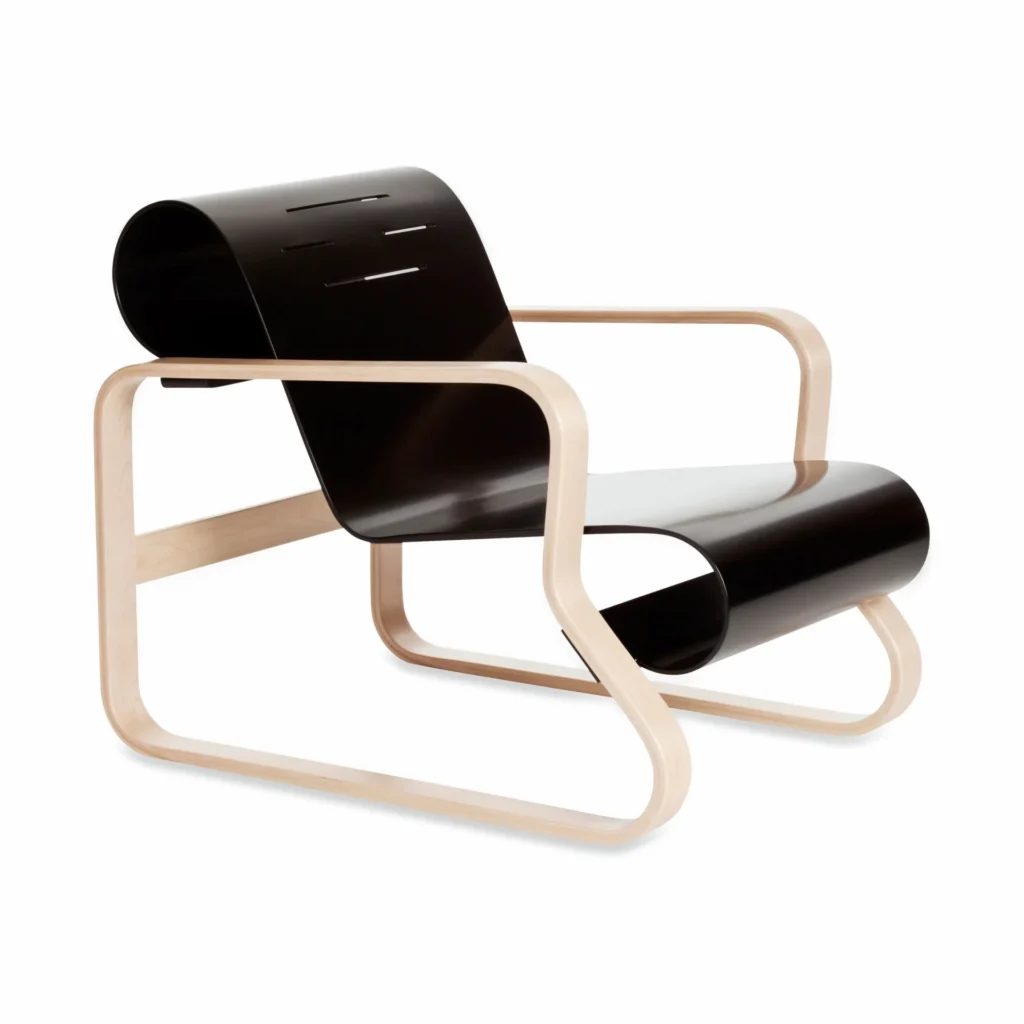
Armchair 41, commonly known as the Paimio Chair, was designed by Alvar Aalto for the Paimio Sanatorium in Finland, a hospital for tuberculosis patients. The chair’s reclined angle was carefully planned to help patients breathe more easily while resting. At a time when many modern designers favored rigid metal furniture, Aalto chose bent plywood and laminated birch, creating a chair that feels warm, flexible, and comfortable. Its smooth curves and organic form reflect Aalto’s belief that modern design should respond to the human body and emotional well being. This chair demonstrates how Aalto transformed modernism by placing human comfort and care at the center of design.
Stool 60, 1933, Bent laminated birch
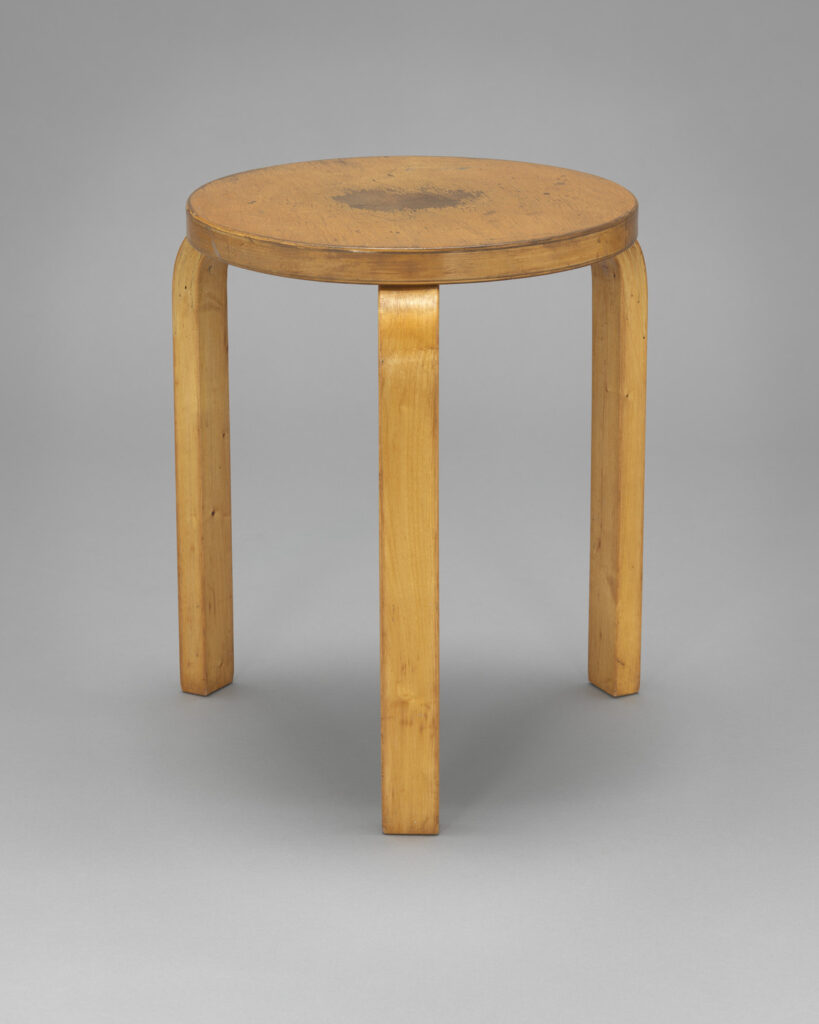
Stool 60 is one of Alvar Aalto’s most well known designs and reflects his focus on simplicity, function, and human comfort. Designed to be lightweight, durable, and easily stackable, the stool was intended for everyday use in homes, schools, and public spaces. Aalto developed a unique method of bending laminated birch to create strong L shaped legs, allowing the stool to remain sturdy without appearing heavy. Unlike metal furniture common in modern design at the time, Stool 60 uses natural wood, giving it a warm and approachable feel. The stool demonstrates how Aalto combined modern production with human centered design, creating an object that is practical, comfortable, and timeless.
Side Table 606, 1932 Laminated birch and plywood
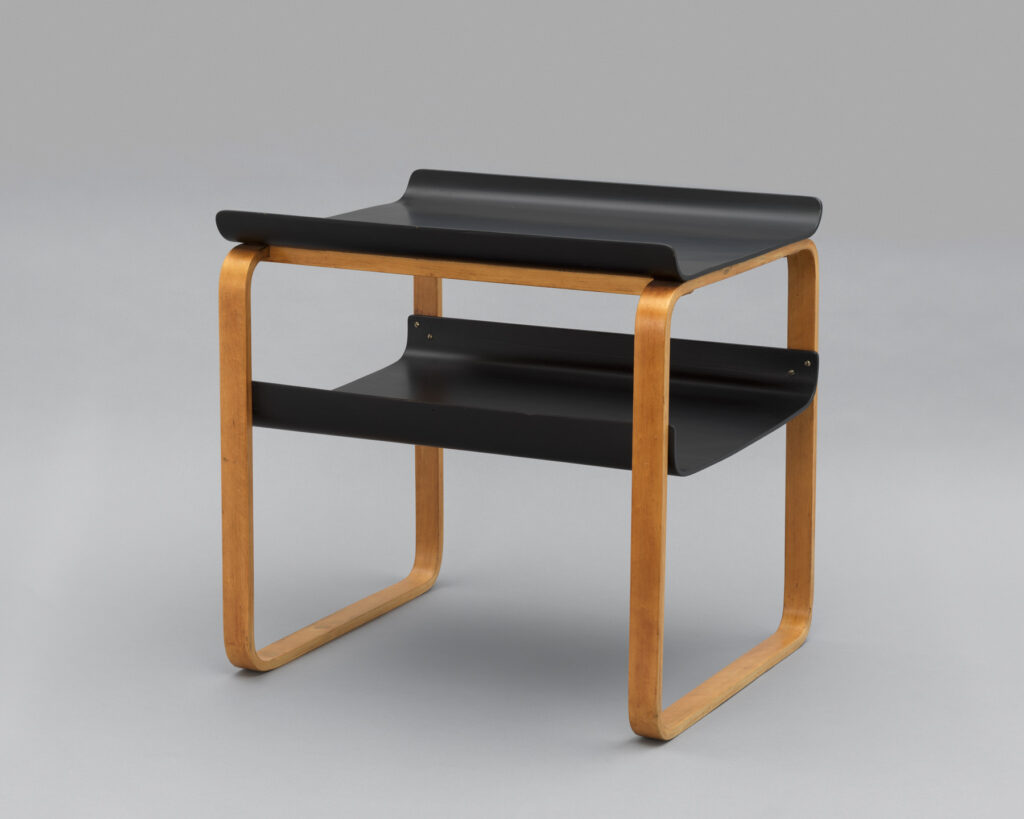
This side table reflects Alvar Aalto’s ability to translate architectural ideas into simple, functional furniture. Designed during the early years of his career, the table uses laminated birch and clean lines to create a piece that is both sturdy and visually light. Aalto’s use of natural wood emphasizes warmth and touch, setting his work apart from colder, machine driven modern furniture. The table was designed for everyday use, showing Aalto’s belief that modern design should be comfortable, practical, and integrated into daily life. Through its simplicity and thoughtful construction, this side table demonstrates Aalto’s human centered approach to modern design.
Tea Trolley 900, 1937 Birch, ceramic tiles, wicker
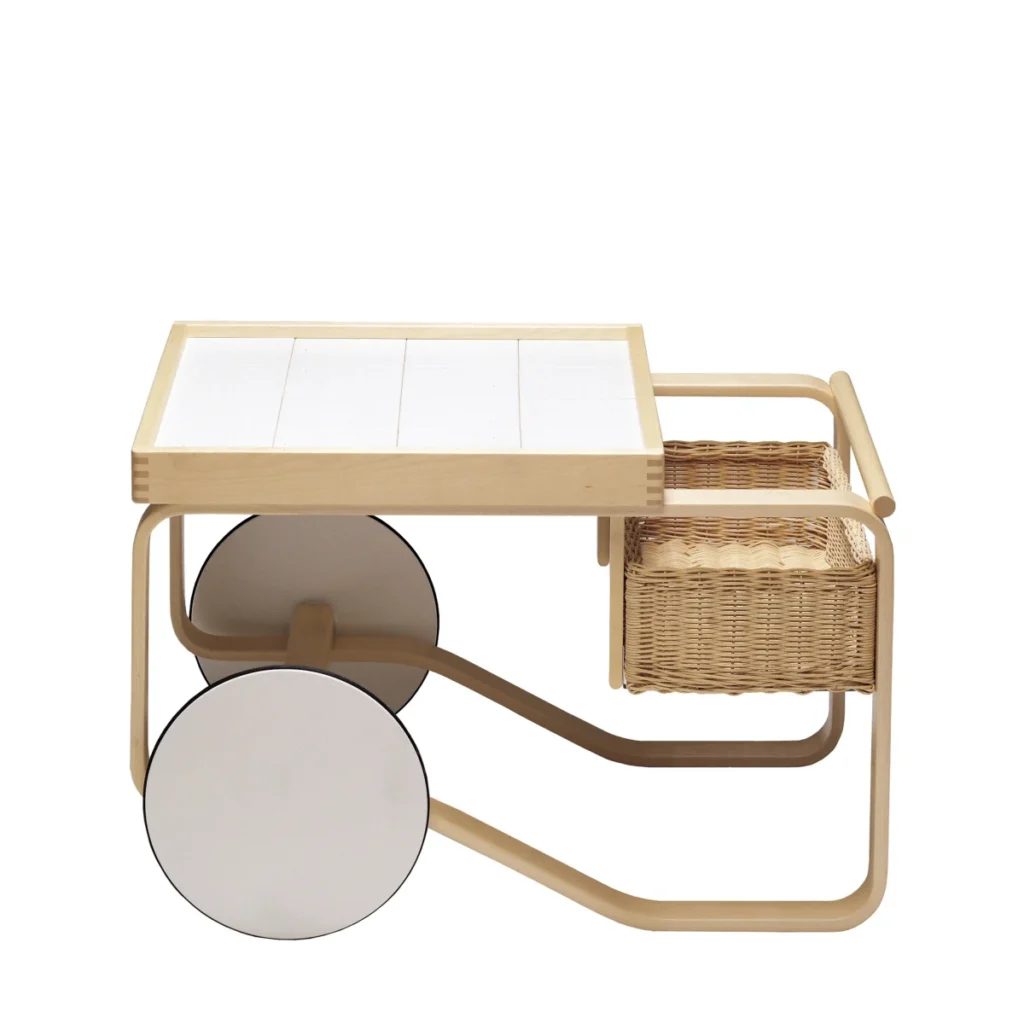
Tea Trolley 900 shows how Alvar Aalto brought warmth and human experience into modern design. Created for everyday domestic use, the trolley combines natural materials such as birch and wicker with ceramic tiles, giving it a welcoming and handcrafted feel. Inspired by British tea traditions and Japanese design, the trolley was meant to move easily through living spaces and support social interaction. Rather than focusing on speed or efficiency, Aalto designed this object to encourage slow movement and daily rituals. The tea trolley reflects Aalto’s belief that modern design should improve ordinary moments by blending function, comfort, and cultural meaning.
Ceiling Light A330S (“Golden Bell”), 1937 Brass
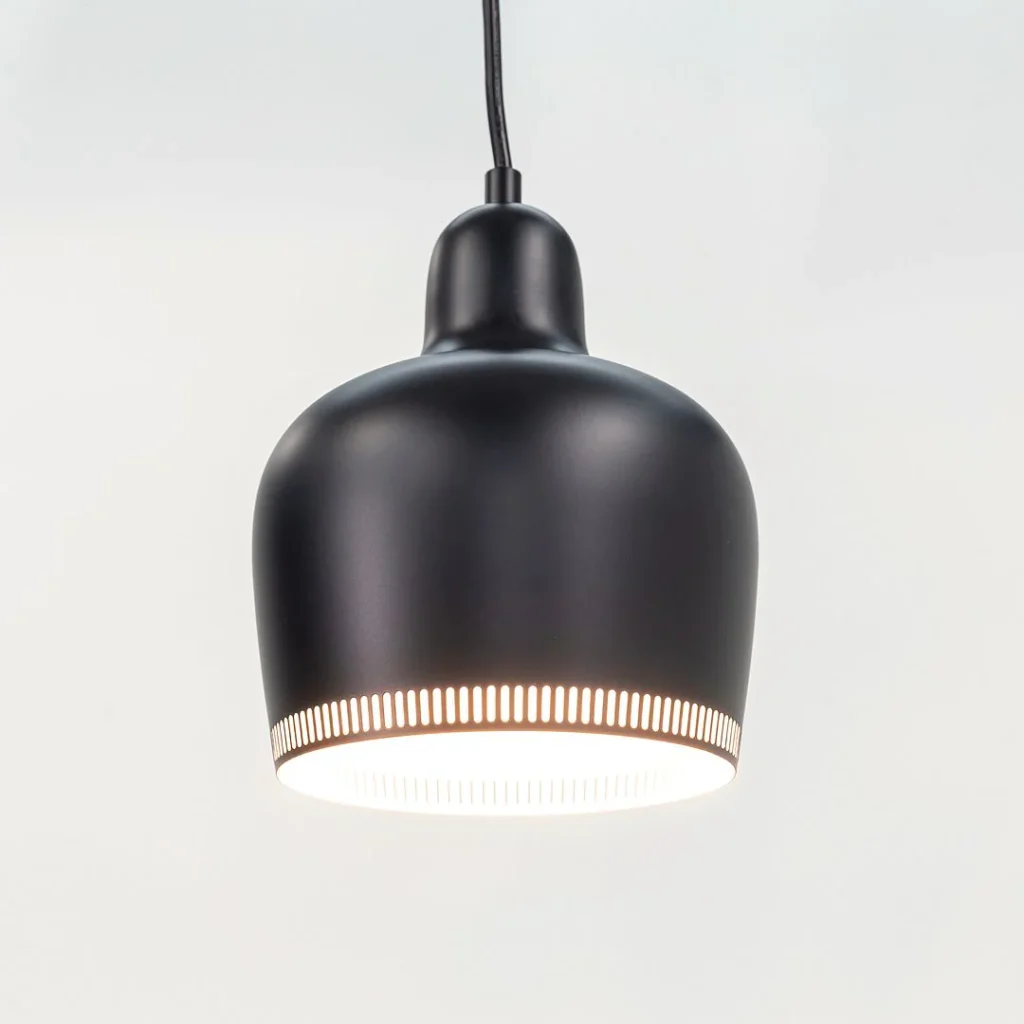
The Ceiling Light A330S, commonly known as the Golden Bell, reflects Alvar Aalto’s attention to how light affects human comfort and mood. Designed for interior spaces, the lamp directs light downward while softly diffusing it to reduce glare. Small openings around the rim allow light to escape gently, creating a warm and balanced atmosphere. Made of brass, the lamp combines simplicity with elegance, avoiding the harsh brightness often associated with modern lighting at the time. The Golden Bell demonstrates Aalto’s belief that modern design should be both functional and sensitive to human experience, using light to create calm, comfortable, and welcoming environments.
Savoy Vase, 1936 Mold blown glass
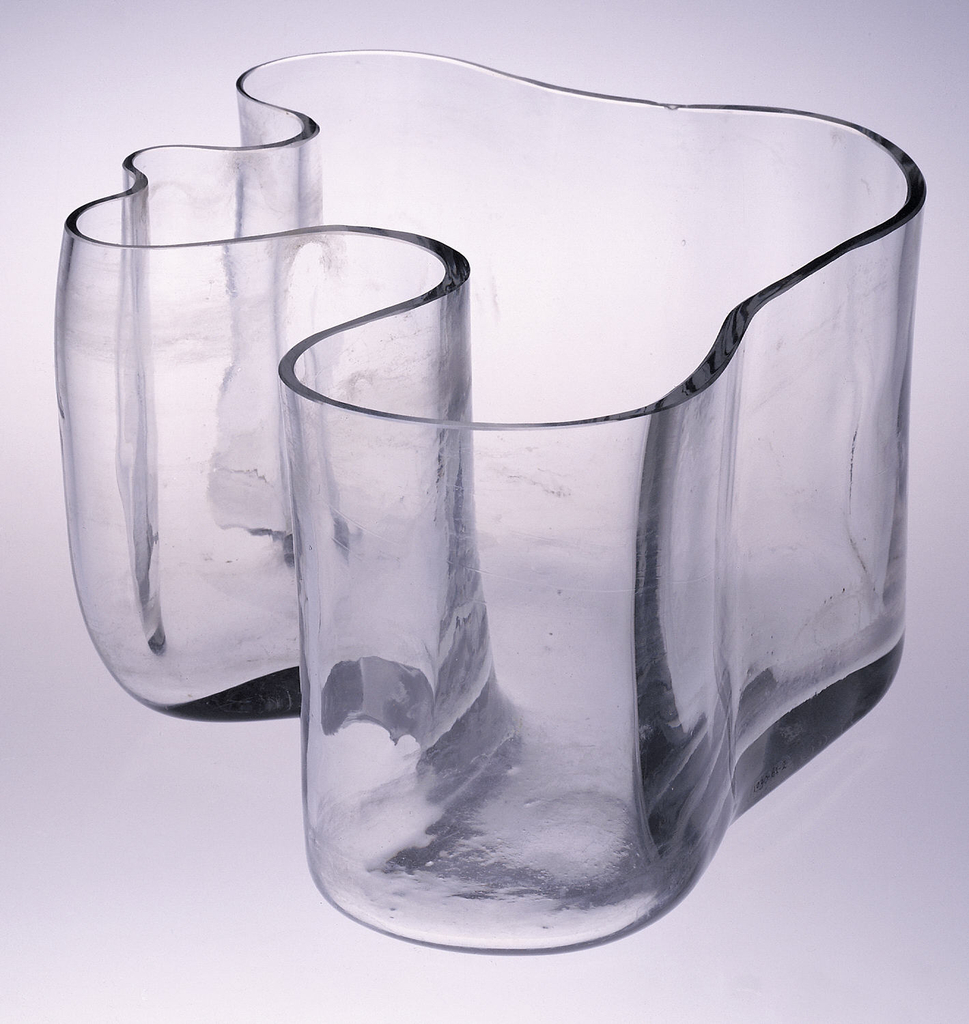
The Savoy Vase is one of Alvar Aalto’s most recognizable designs and reflects his interest in organic form and nature. Made using mold blown glass, the vase was created by blowing molten glass into a mold, allowing it to take on soft, flowing shapes rather than strict geometric lines. Its uneven, fluid form is often associated with natural landscapes such as water, shorelines, or plant growth. Unlike rigid modern designs of the time, the Savoy Vase feels expressive and sculptural while remaining functional. This work shows how Aalto used natural forms and materials to bring warmth and emotion into modern design.
Wall Relief for the Helsinki Pension Institute, 1953–57
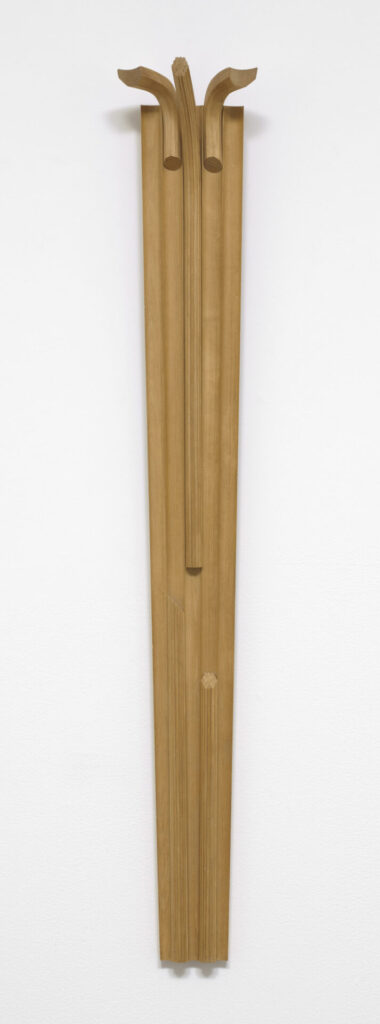
This wall relief demonstrates how Alvar Aalto extended his design philosophy beyond furniture and objects into architectural surfaces. Created for the Helsinki Pension Institute, the relief was designed to interact with light, shadow, and movement within the building. Its textured surface adds visual rhythm while avoiding heavy decoration, reflecting Aalto’s belief that architecture should feel calm and human rather than rigid or overwhelming. The relief was meant to be experienced as part of the space, not as a separate artwork. By integrating art directly into architecture, Aalto reinforced his idea that design at every scale should support comfort, atmosphere, and everyday experience.
Convertible Sofa 1930–1932
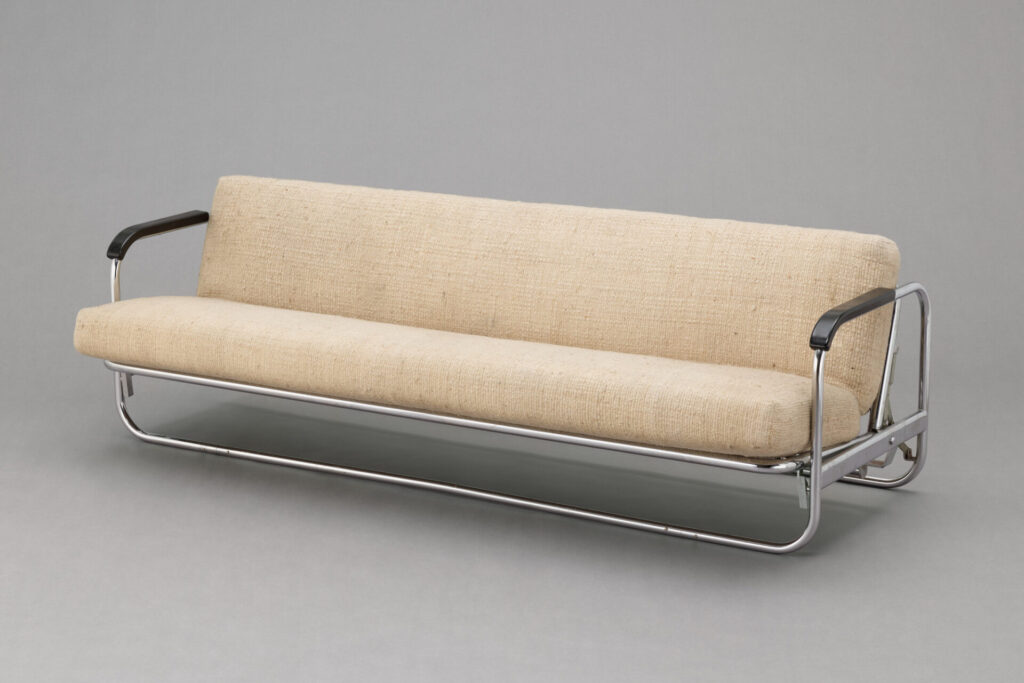
A refined example of early modernist furniture, the WB Form Alvar Aalto Bed Sofa seamlessly blends functional versatility with elegant minimalist design. Originally conceived in the early 1930s as a response to space constraints in urban living, this convertible sofa features a tubular chrome-plated steel frame paired with lacquered wood armrests and a high-quality upholstered seat that transforms effortlessly into a flat bed surface with a single, intuitive movement. The design reflects Aalto’s modernist ethos—where form follows function without sacrificing aesthetic simplicity—making it both a practical seating solution and a sculptural statement piece for contemporary interiors. Built in limited edition with meticulous craftsmanship, this piece embodies timeless design principles and Scandinavian restraint.

